Choy Lee Fut — Buk Sing Senior: Master Wai Sing on His Bodyguard Career
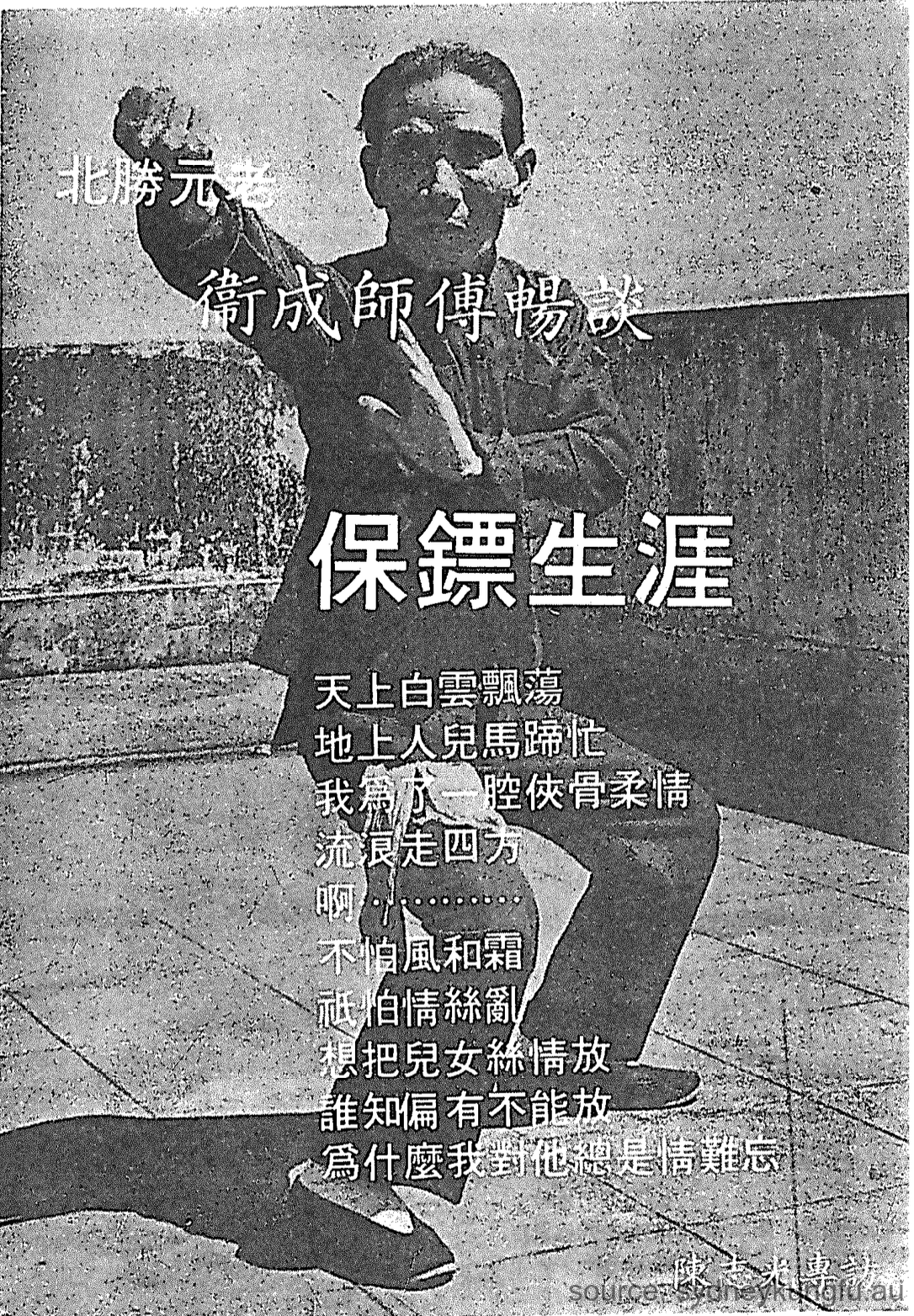
“Bodyguard” was a prominent occupation in the martial arts circles thirty years ago. Many skilled practitioners made a living that way; one famous bodyguard was Master Wai Sing. It is said Master Wai was a notable figure in Guangzhou three decades ago. When asked about his training, Master Wai explained he studied with the Chow family and later with Tam Sam of Buk Sing Choy Lee Fut 蔡李佛. He trained hard at the Tam family school from around eighteen years old, practicing diligently alongside peers such as Wong Kai, Lun Kei, Lee Chau, and Tam Fei-pang.
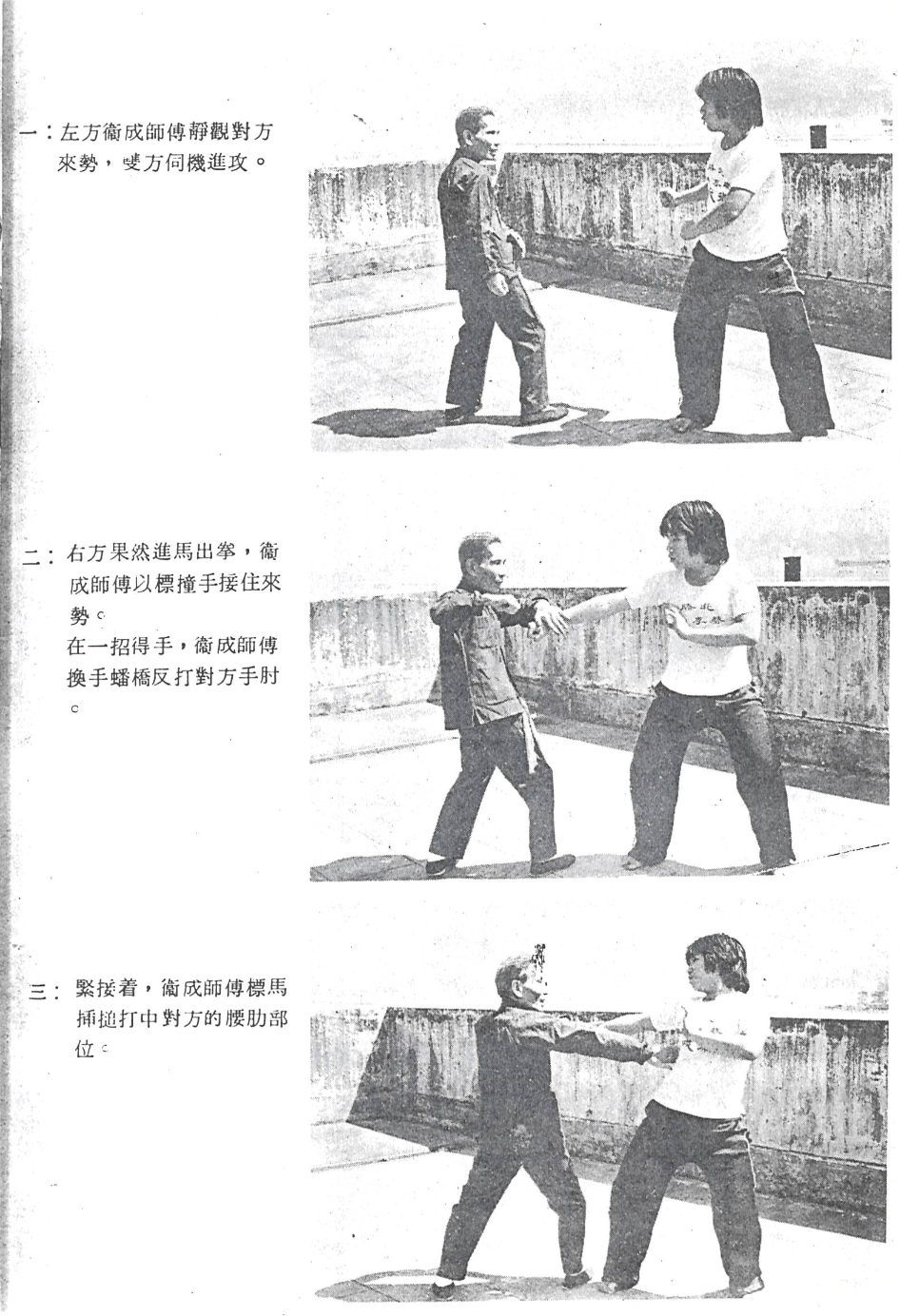
Regarding the principles of Buk Sing Choy Lee Fut 蔡李佛 and Master Wai’s bodyguard years, he summarized key points: first find a teacher, second practice hard. Learn the methods and shapes, and only through persistent training does skill emerge. Master Wai emphasized practical use and strengthening the body for self-defense. For Buk Sing Choy Lee Fut 蔡李佛, the basic hand methods include kam naa 擒拿, laap sau 擸手, jaap sau 閘手, daam zau 擔肘, baau zau 包肘, haap zau 扱肘, paau zau 拋肘, ding zau 頂肘, gwaa ceoi 掛搥, caap ceoi 插搥, paau ceoi 拋搥, zong ceoi 撞搥, bin ceoi 鞭搥, and biu ceoi 標搥. Leg techniques include strikes and sweeps such as ding goek 釘腳 and others. The waist and stance are the foundation of the art: power issues from the spine and is transmitted to the limbs. Movement—advancing, retreating, left and right—depends on a flexible waist and horse stance.
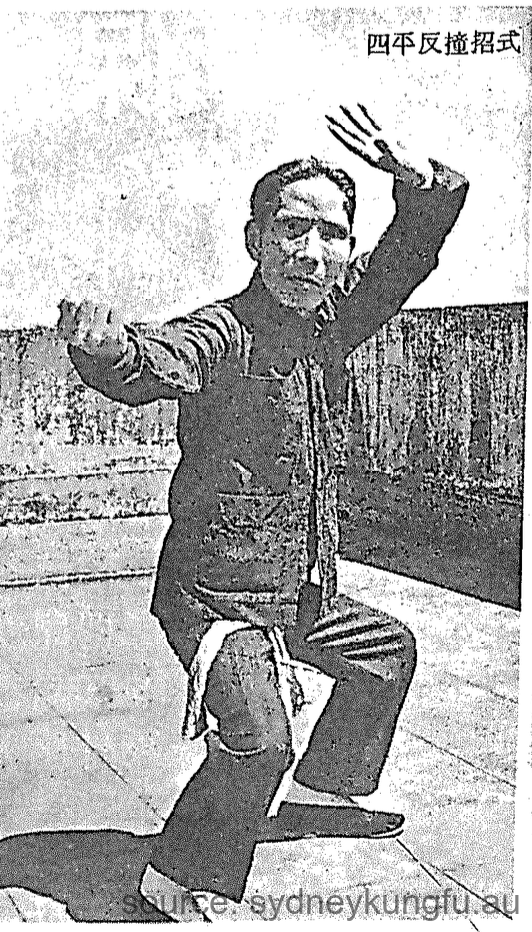
On releasing power, Master Wai stressed natural relaxation rather than tension. Among Choy Lee Fut 蔡李佛 students there’s a saying: do not rely on crude strength; seek natural expression. By storing intent and relaxing, one can generate effective striking force. Relaxation also supports fluid posture and long, deep breathing so qi reaches the dantian and collects at the qihai.
About the audible exhalations used in Choy Lee Fut 蔡李佛 practice (sounds such as “hei”, “dei”, “sai”, “ha”), Master Wai explained these vocalizations coordinate the release and contraction of movement and unify internal and external practice. Buk Sing Choy Lee Fut 蔡李佛 training has ten essentials: find a teacher, practice hard, be decisive with your leading hand, (the phrase about the leading hand means friends should not hesitate—if you strike, do not hold back), observe the body and posture, supplement diet, develop strong gripping and striking power, maintain long breath, produce resonance on release, do not yield to the incoming opponent, and persist daily—long practice polishes skill.
Concerning breath timing and sound, Master Wai explained which moments require inhalation or exhalation: releases are often exhalations, retractions are inhalations. Lowering the hand can be an exhale, lifting an inhale; different transitions keep a rhythm of breath and movement. Early training may feel awkward, but with time coordination becomes natural. Avoid rushing practice—forcing speed harms posture and, over time, may injure internal organs and the musculoskeletal system.
When issuing power, every technique should be delivered to completion without relying on arm-only force. Overuse of the biceps, for example, reduces efficiency and causes premature fatigue. Choy Lee Fut 蔡李佛 requires shoulder flexibility and relaxed shoulders: even a straight strike can gain an extra inch or two when the shoulder is relaxed, allowing long-then-short combinations. If the shoulder is stiff, much of that advantage is lost.
Entry training in Buk Sing Choy Lee Fut 蔡李佛 begins with the practice of tugging forms (pulling/pushing drills). These exercises demand coordinated power from the waist, horse stance, and shoulders. Do not underestimate these basic drills; they build the foundations and condition transitions between stances.
Many assume Choy Lee Fut 蔡李佛 is only about raw power, but the system values a balance of hard and soft—circularity and smoothness. The goal is to use softness to control hardness, to overcome strength with skill, emphasizing quick, rounded handwork rather than crude force.
Visible brute force is superficial: concentrating tension into a single muscle group makes the technique look strong but lacks true power. Real issuing of force is formless; a skilled user applies power without obvious strain. This is the essence of clever use over crude force.
Striking should be coordinated left and right, with sequences linking gwaa 掛, saau/saau? saau ceoi 捎搥 (listed generally as follow-up strikes), and swing techniques. When you chain gwaa 掛 → [follow-up punches] → swing, the opponent is pressured step by step: fast, decisive, and smooth strikes that follow like a shadow.
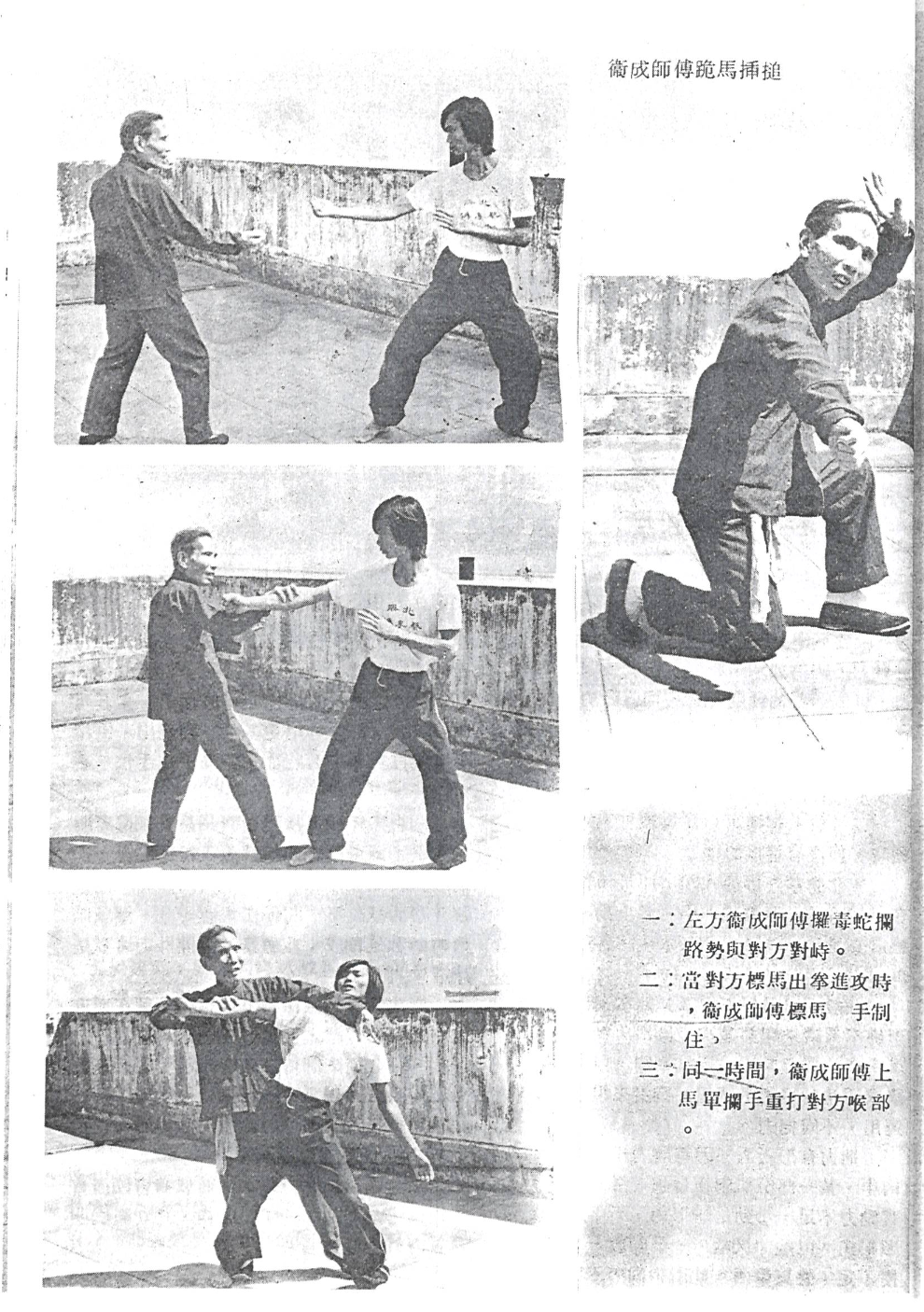
Regarding the historical circle of masters in Guangzhou—Song, Wai, Chan—their earliest schools formed the local martial arts network. Master Wai recalled that the first Chan school was located near noodle guilds and later assisted in founding other halls. Inspired by peers who served as bodyguards in opera troupes, Wai resolved to become a bodyguard himself. He later served private assignments and community protection duties, earning strong recognition within the martial arts world.
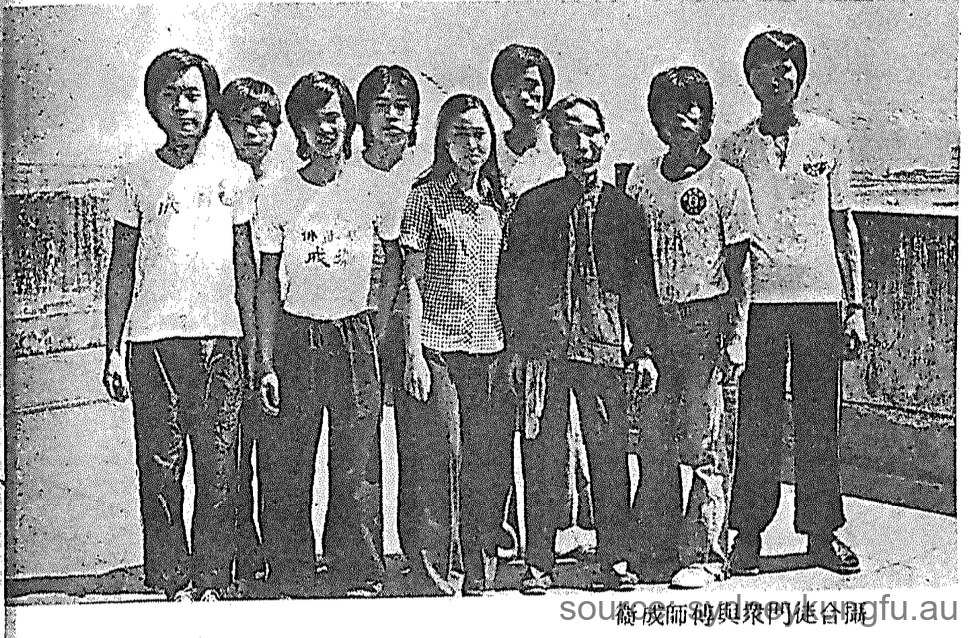
After moving to Hong Kong, Master Wai established the Buk Sing Choy Lee Fut 蔡李佛 Wai Sing Athletic and Martial Arts Association. His son Wai Lit-ki taught the men’s group, and his daughter Wai Yuen-ming managed internal and external affairs.