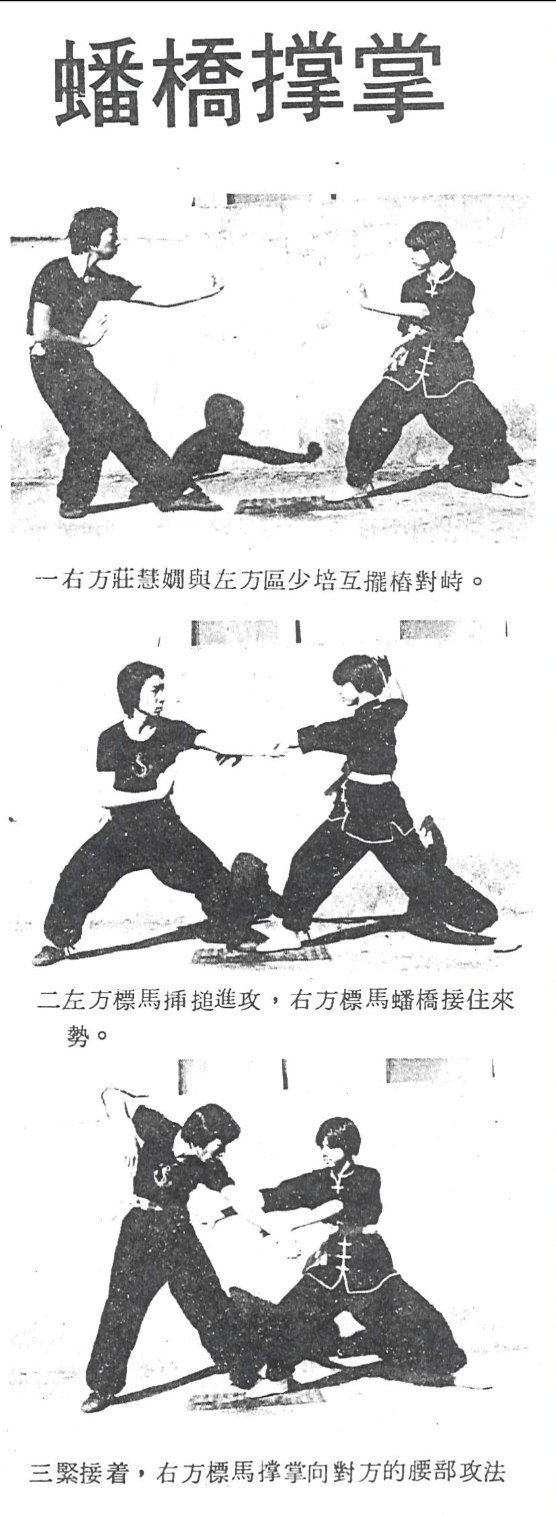
Choy Lee Fut 蔡李佛 Palm Techniques — Demonstration by Coach Zong Wai-hin 莊慧𡢄 and Au Siu-pui 區少培 (Chu Siu-ki Martial Arts Academy)
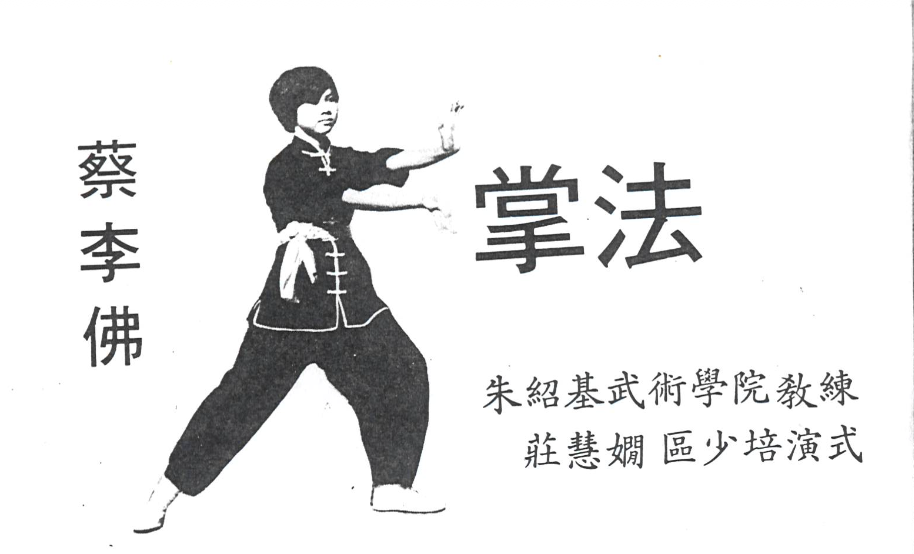
Undoubtedly, palm techniques hold a status in Chinese martial arts no lower than fist techniques. Yet why is fistwork so popular and widely practiced, while palm techniques are less noticed and learned? The answer is simple: palm techniques are considered an advanced subject in martial arts. For those without a certain foundation, even if they learn palm methods, they may not truly understand or master them. Thus, palm techniques gradually lose appeal among the general public. Nevertheless, their status remains unchanged in the martial arts world—every school values palmwork, some even making it a required or specialized curriculum. Conversely, some treat palmwork as a secret, reserved for coaches or head instructors only; ordinary students may never see palm training, let alone study or research it. For these reasons, it’s natural that palmwork is less valued by the masses. What, then, is the difference between palm and fist techniques? Let’s first compare the two.
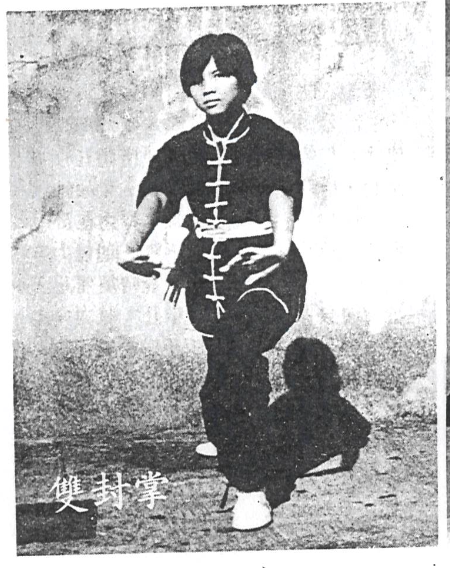
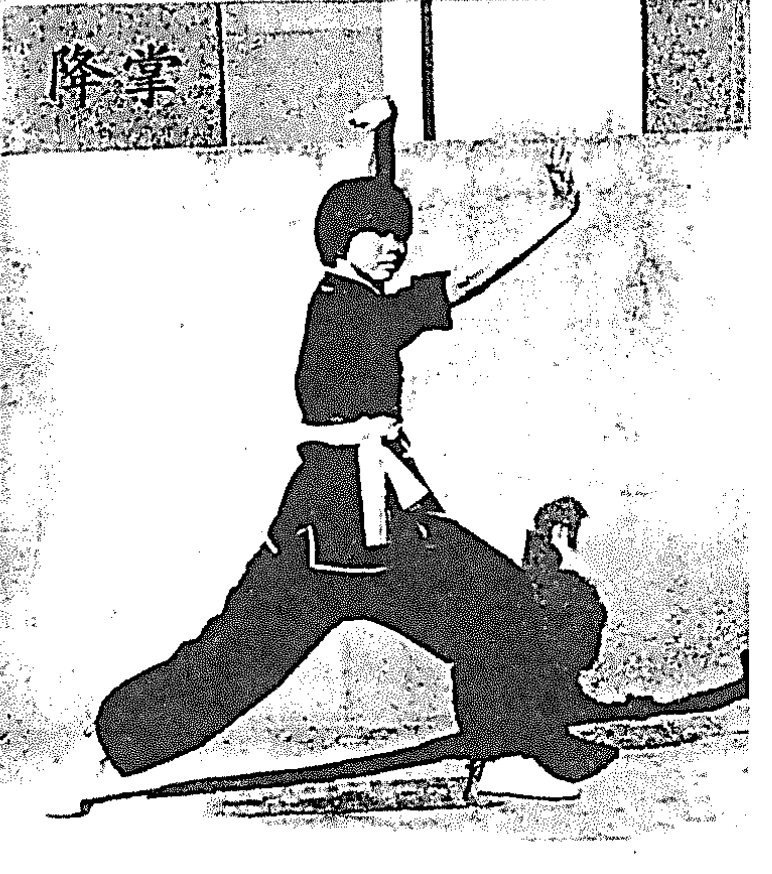
Simply put, a palm is formed by joining the five fingers, straight or slightly bent, into various shapes. Depending on the palm’s orientation, it can move up, down, left, right, diagonally, rolling, floating, sinking, swallowing, spitting, extending, or retracting in endless variations. The force between fingers and palm can be applied as ci 黐 (sticking), gau 勾 (hooking), daan 彈 (snapping), pik 劈 (chopping), jan 印 (pressing), teoi 推 (pushing), ding 頂 (propping), fung 封 (sealing), caang 撐 (supporting), etc. The essence is to train until these can be used freely and naturally, though few reach true mastery. In reality, if one can develop palm power, it is often more effective than equivalent fist power. This is not to say palm training is superior to fist training, but simply a general comparison in practice.
As for fists, while they are also flexible in combat, the form is limited to tightly clenched fingers, striking outward with the knuckle. In comparison, fists are a few inches shorter in reach than palms, and less versatile. Since the fingers are clenched together, switching to palmwork is a kind of transformation, but ultimately, the goal is still palm technique rather than fist technique. Fistwork, in simple terms, is for grasping, but in practice, it is mainly for striking. In summary, palm techniques are more flexible and varied than fist techniques.
Comparing palm and fist in terms of power is impossible—if a martial artist prefers fists, their achievement will naturally be greater in fistwork; if they prefer palms, their achievement will be greater in palmwork.
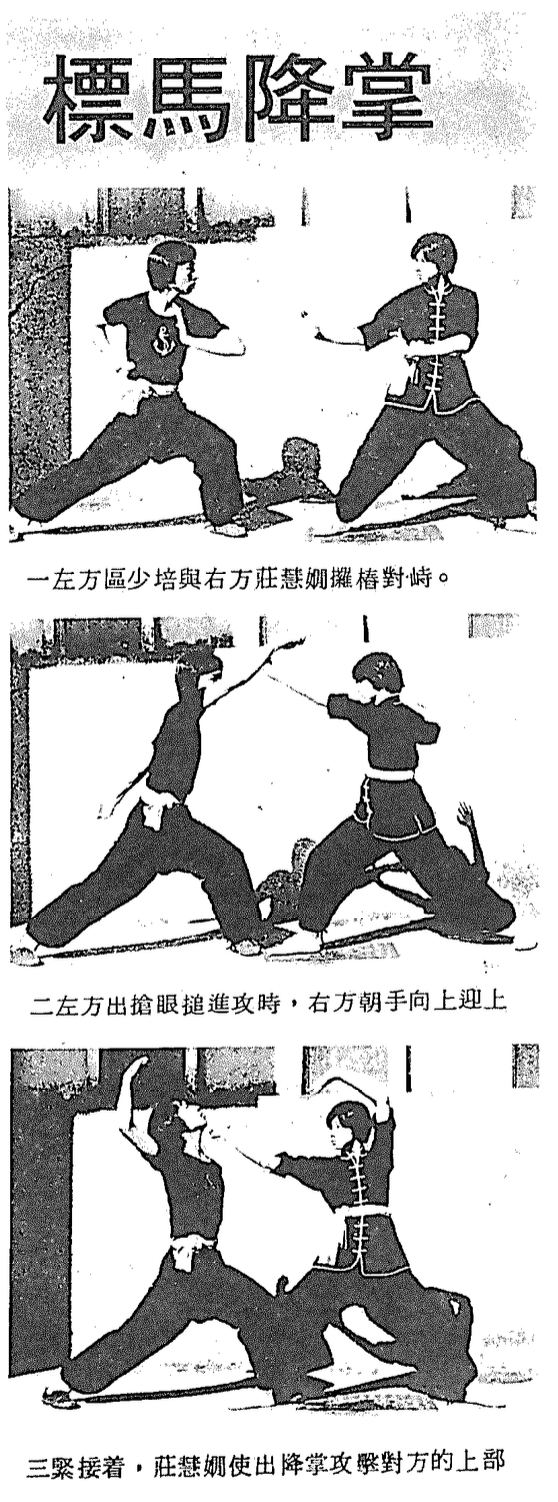
Choy Lee Fut 蔡李佛 is famous for its fistwork, especially the chained caap ceoi 插搥, but palm techniques are equally valued and receive no less attention. In application, palmwork is similar to fistwork, paired with pun kiu 盤橋, sei ping maa 四平馬, tong kiu 糖橋, interception, biao bu 標步, and sneaky attacks. In some cases, palmwork can be used independently in special situations, while fistwork is less convenient and more restricted in variation. Sometimes, even in a dangerous fight, only a single palm is used from start to finish, which must be coordinated with body shape and hand technique. The subtlety of palmwork lies in using finger and palm methods to respond to the opponent, making it hard for them to grasp the reason behind the central palm—this is the highest realm for palm practitioners. In principle, palmwork is used similarly to fistwork, but practical mastery depends on individual training and insight.
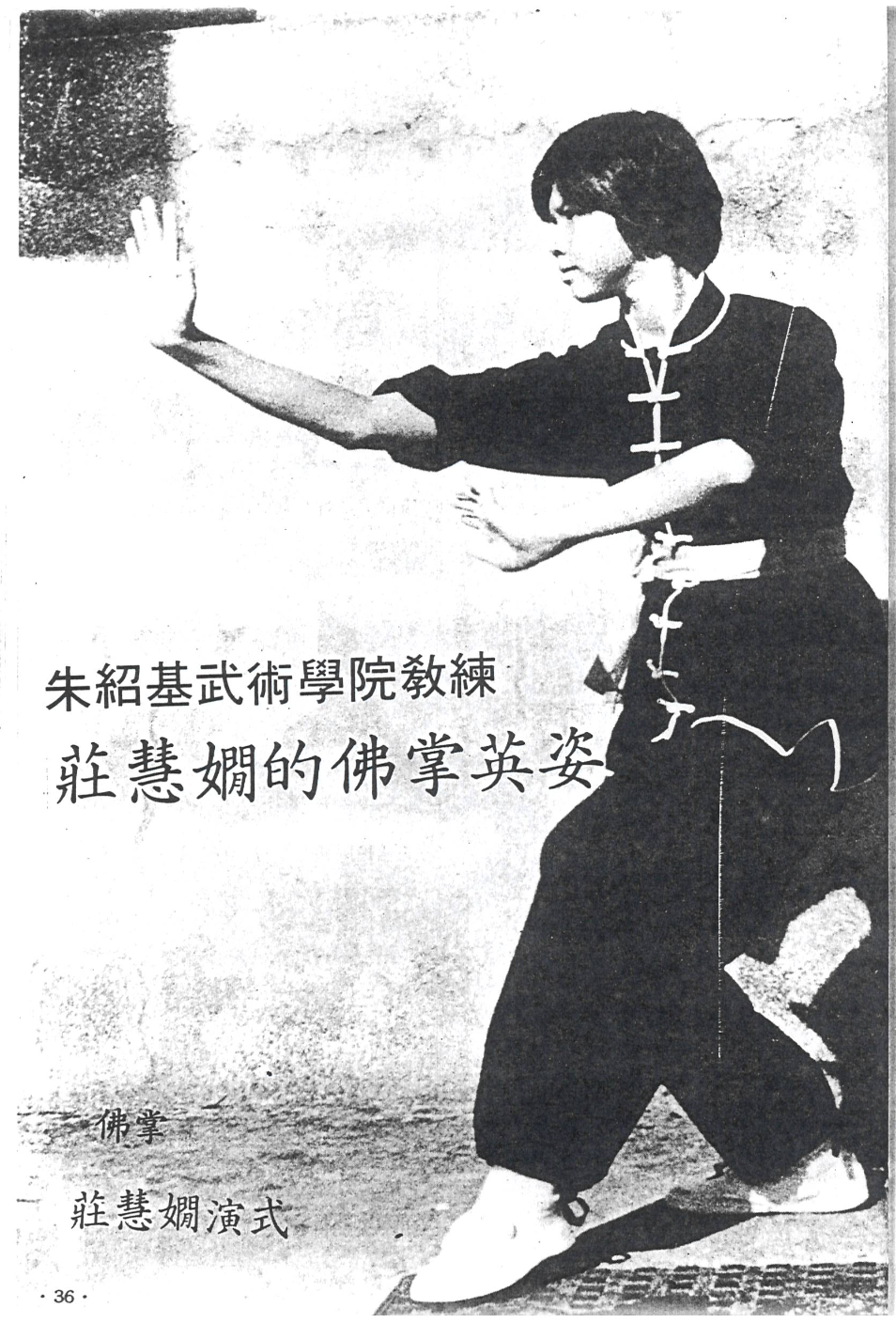
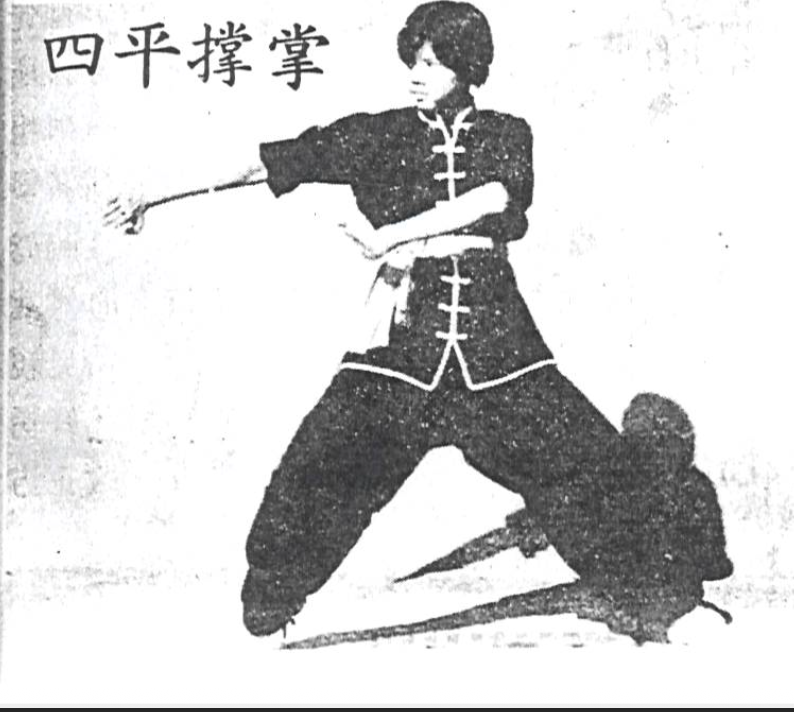
Of course, to reach such skill requires long-term, arduous practice and accumulation of experience. For those with natural talent, it’s another matter, but success never comes without hardship. Generally, Choy Lee Fut 蔡李佛 palm techniques include fo zoeng 佛掌, caang zoeng 撐掌, ham zoeng 冚掌, fung zoeng 封掌, pik zoeng 劈掌, hot zoeng 喝掌, jan zoeng 印掌, ding zoeng 頂掌, kam naa 擒拿, cyun sau 穿手, etc. Most are used directly, coordinated with body and footwork, such as gwaai maa pik zoeng 拐馬劈掌, soeng maa hot zoeng 上馬喝掌, zi ng maa ding zoeng 子午頂掌, pin san cyun sau 偏身穿手, etc. Some are used to neutralize first, then strike, such as diu maa saan zoeng 吊馬山掌, soeng maa fung zoeng 上馬封掌. The following palm techniques are demonstrated by Choy Lee Fut 蔡李佛 Hung Sing School female disciple Zong Wai-hin 莊慧嫻.
Zong Wai-hin 莊慧嫻 is only thirteen this year, an outstanding secondary school student, energetic and active. In primary school, she was a track and field athlete, representing her school in various competitions and winning many honors—a rare talent in sports.
A year ago, she and her siblings formally became sixth-generation disciples of Choy Lee Fut 蔡李佛 under Chu Siu-ki. After learning the art, she trained diligently day and night, progressing rapidly. Now, besides continuing her studies, she is also a female coach at the Chu Siu-ki Martial Arts Academy. If she continues her hard training, she will surely become an outstanding figure in the martial arts world in the near future.